Article · design ·
Design is More Than Methods
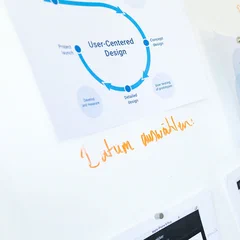
Design methods provide structure, but following them doesn't guarantee good design. Tools are only as good as the designer using them.
 Kedron Rhodes
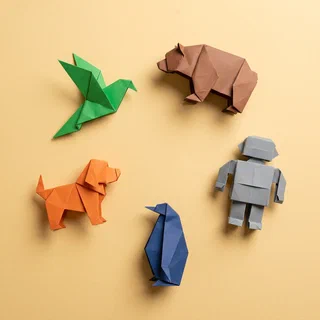
Longer-form thinking on leadership, innovation, and design. Lessons from 25+ years of building products, leading teams, and helping organizations find what's worth making next.

Design methods provide structure, but following them doesn't guarantee good design. Tools are only as good as the designer using them.

Experience, intuition, and insight all belong in design decisions. Relying on any one alone can put innovation at risk.

Design makes ideas tangible so people can respond to them. Sketches, diagrams, and wireframes help product teams find clarity and alignment.

Leadership and strategy require proof. Look for responsibility, visible change, measurable activity, and a clear position in the market.

The pursuit of greatness can trample the virtues of goodness. I've lost sight of that, and here is what it's taught me.
My CX Matrix connects seven stages of the customer journey with business objectives, strategy, technology, and customer goals.

The beautiful people at Digital Telepathy interviewed yours truly for a UX practitioner series on their industry recognized blog.

Understanding users does not guarantee action. Cognitive and affective empathy need compassion to turn understanding into help.

Use “I like,” “I wish,” and “What if” to give design feedback that builds trust and leads to better solutions.

Generosity with recognition, resources, and time helps leaders show their teams that their work matters.
Why I removed tracking software from my blog in 2015 and designed its markup for easier reading through RSS and read-later services.
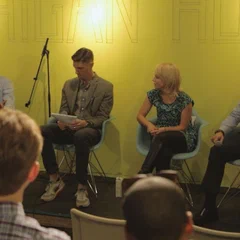
Michigan House hosted a panel on the value of design during Design Week. I chimed in. :)

My guest post for Digital Telepathy explores collaboration between designers and developers.
